Discover
This museum explains what Orce was like more than a million years ago.
At that time there was a very big lake.
Many animals came to drink at the lake.
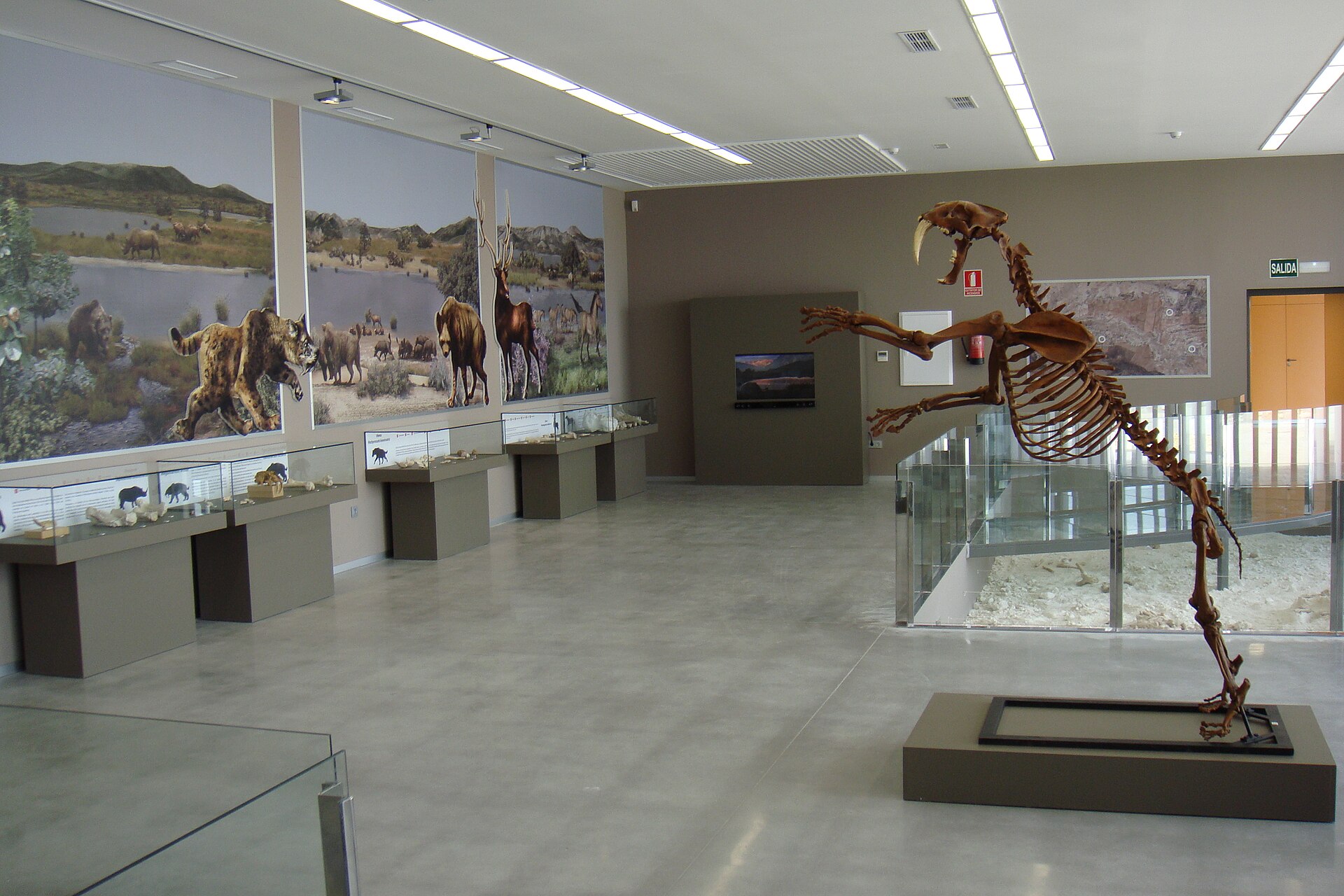
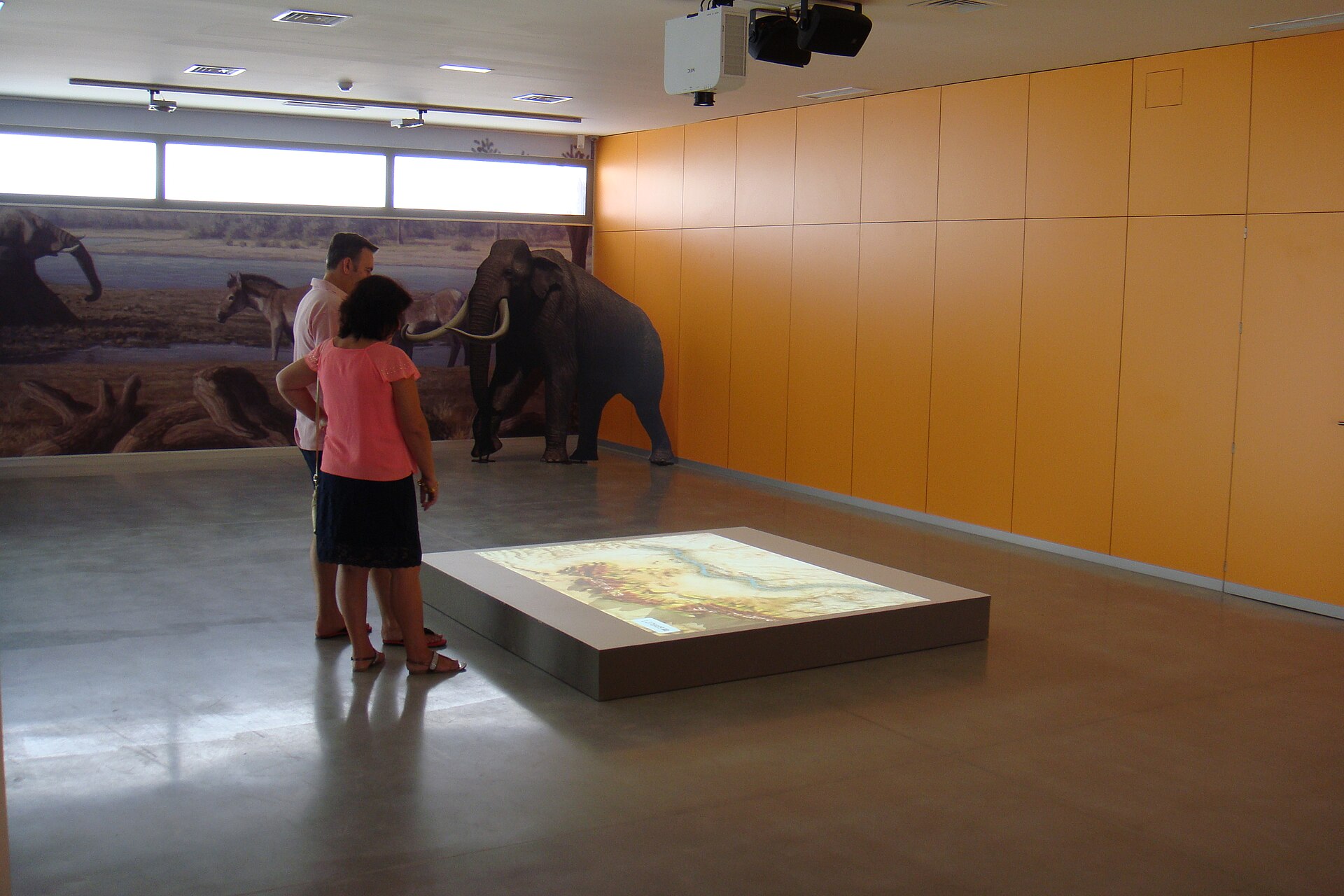
There were mammoths, hippos, horses and giant hyenas.
The museum has fossils of those animals.
A fossil is something very old, like a bone or a tooth, that has been kept under the ground.
There are also stone tools.
The first people who lived in this area made them.
The fossils come from three places in Orce: Venta Micena, Barranco León and Fuente Nueva 3.
The opening hours change during the year.
Ask at the Tourist Office: +34 958 746 171.
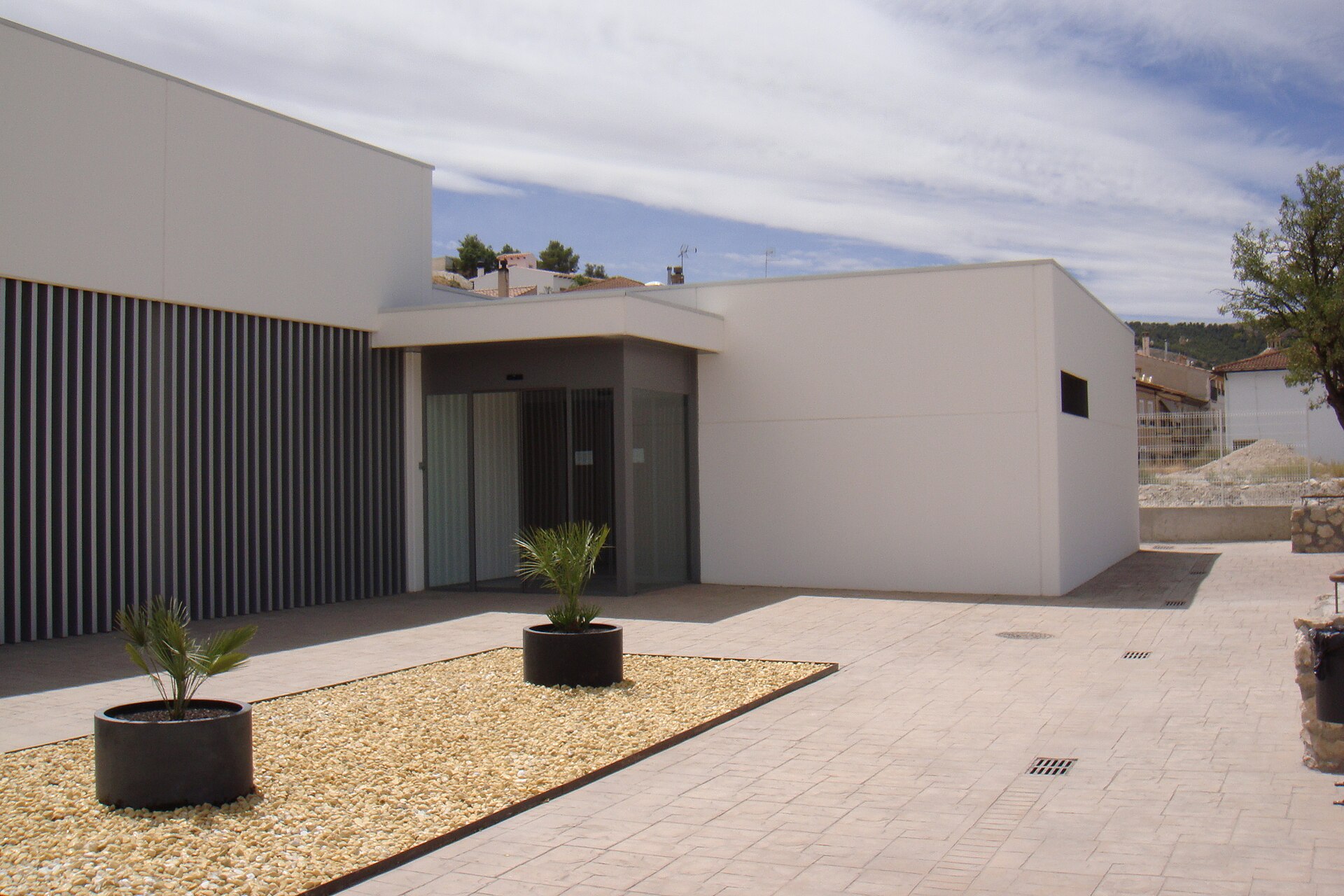
The Museum of the First Settlers of Europe, also known as the Josep Gibert Interpretation Centre, takes visitors on a journey into the most distant past of the Altiplano: the climate, vegetation and wildlife that surrounded the first humans in this land. It occupies a contemporary building on Camino de San Simón, on the edge of the village.
Its collection comes from the municipality's three great sites —Venta Micena, Barranco León and Fuente Nueva 3—, formed on the shore of a large, long-vanished lake where animals came to drink. Skeletons, fossils, stone tools and large murals recreate that landscape and explain the arrival of the first humans in Europe.
The museum is named after the palaeontologist Josep Gibert, who championed research in Orce for decades. It offers guided tours for groups and schools as well as outreach activities. Opening hours change with the season, so check them before you go.
Sample sign language guide for the demonstration: a Spanish Sign Language video by Wikitongues (Mónica, recorded by Ana Laguna), licensed CC BY-SA 4.0. It is not about the museum; the final guide would be recorded with interpreters and validated by the museum.
Multimedia experience